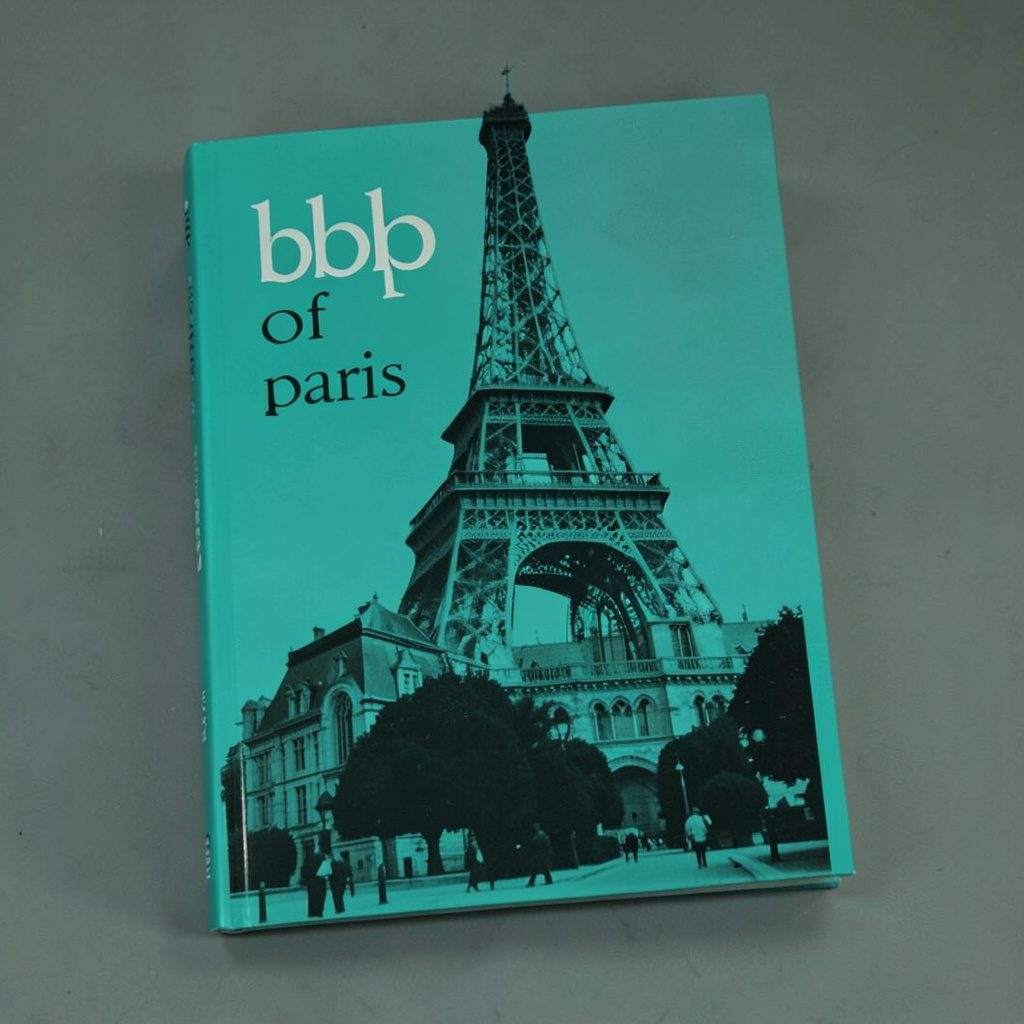
Inevitable Mutations Act II
A collaborative film piece with Alex Deforce.
visual works & moving frames
A moving-image and multimedia practice woven through glitch, collage, and noise. Visual works appear alongside poetry, music, and live performance, often as direct collaborators rather than accompaniment.
Visual and moving-image projects developed across residencies, and in collaboration with musicians and poets.
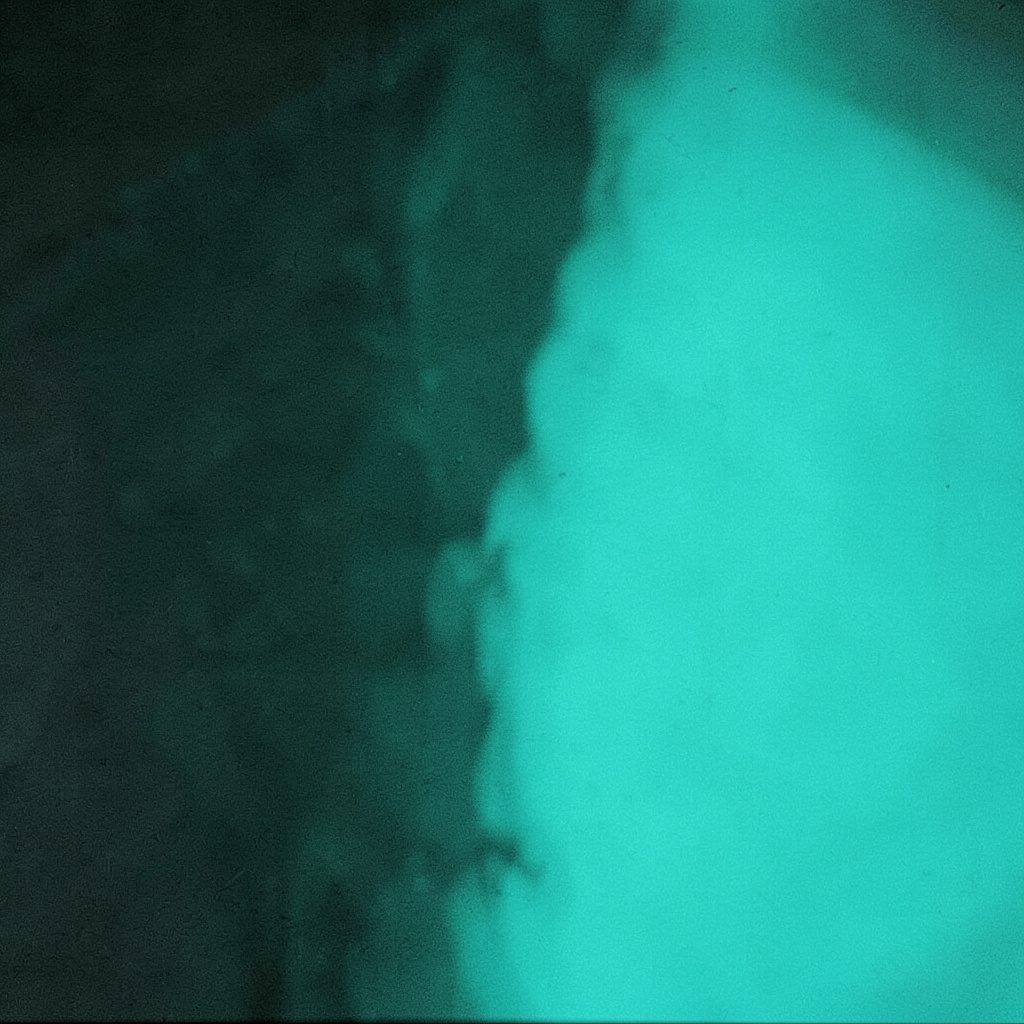
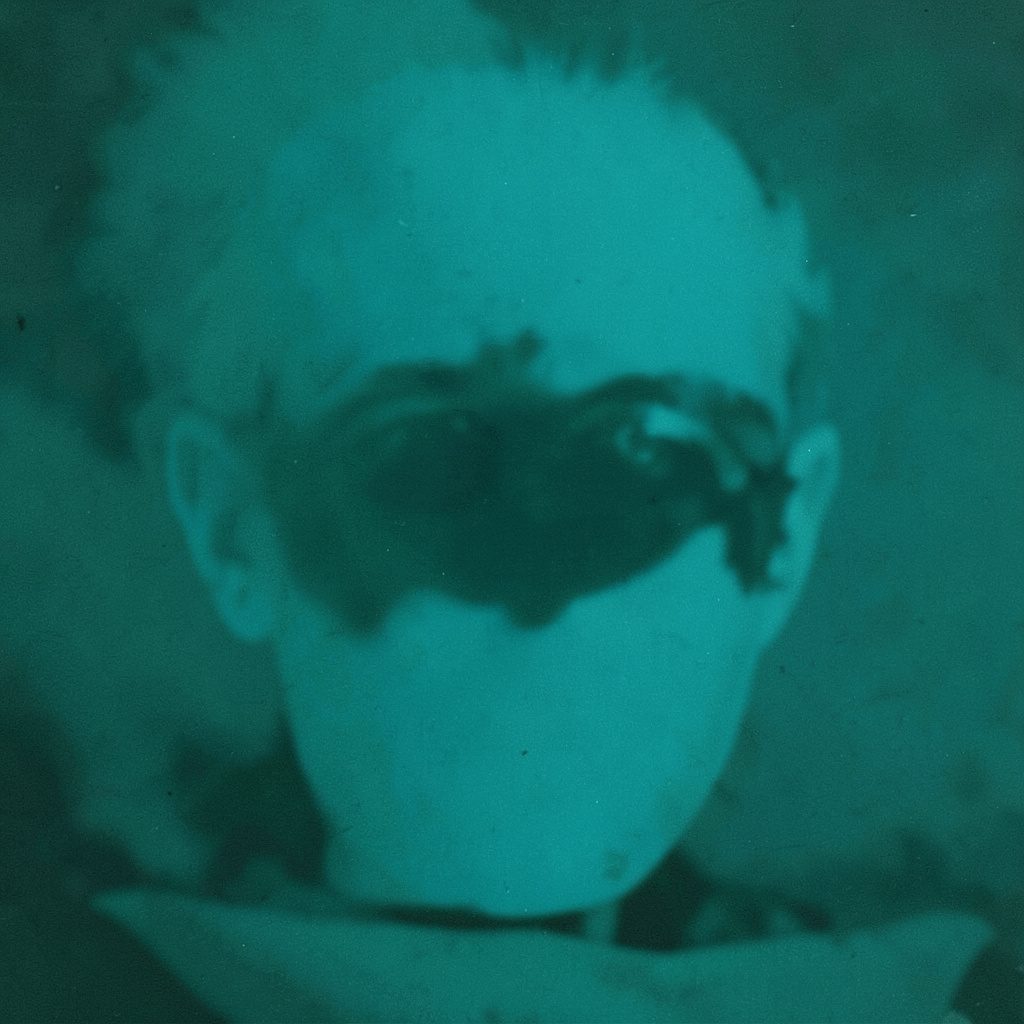
Frame tearing, scanline artifacts, and any comparable visual treatments used as compositional tools.
The practice of glitch art embraces the unpredictable behavior of digital systems, turning technical errors into intentional creative gestures. Frame tearing, scanline artifacts, and signal decay become compositional tools rather than flaws to be corrected. For an artist working across music and visual media, these visual treatments mirror the disruption and fragmentation found in experimental sound design. The glitch becomes a bridge between the auditory and the visual, where corrupted data takes on a texture akin to noise in a musical composition. Each artifact carries the history of its own failure, preserving the moment a system broke down and revealing the fragile architecture beneath the surface of polished digital media.
Within moving-image work developed during residencies and collaborations, glitch aesthetics serve as a visual language for exploring themes of mutation and transformation. The act of tearing through digital frames or introducing scanline interference creates a layered reading of the image, where multiple moments coexist in a single frame. These techniques align with collage methods that stack imagery into dense, textured compositions. The resulting works feel unstable yet deliberate, hovering between representation and abstraction. This approach invites viewers to reconsider what is visible and what lies hidden within the signal, treating the screen as a surface that can be scratched, folded, and reconfigured.
Performance visuals built for live readings and musical sets rely heavily on real-time glitch processing, where projected compositions respond to the energy of the moment. The unpredictability of signal decay adds an improvisational element, matching the spontaneity of spoken word or experimental sound. These projected works do not merely accompany the performance but become an active participant in it, generating a visual rhythm that pulses alongside the audio. The combination of corrupted imagery and live performance creates an immersive environment where the boundaries between artist, medium, and audience begin to dissolve into a shared experience of controlled chaos.
The methods underlying this visual practice draw from both digital manipulation and analog decay, treating the screen as a material surface subject to wear and interference. Collage and layering techniques stack found imagery, body work, and text into dense compositions that resist easy interpretation. Glitch treatments introduce moments of rupture, allowing hidden layers to surface unexpectedly. This approach echoes the broader artistic interest in the aesthetics of failure, where the broken or degraded image carries more emotional weight than a pristine one. The resulting works ask what it means to communicate through interference, and how meaning persists even when the signal is compromised.
Image and bodywork stacked into dense compositions, paired with collage collaborators.
Visuals are routed into readings and music sets, sometimes built in response to a song.
Works extend poetry and sound pieces into image, and bring visual ideas back into text and noise.
The practice moves between solo projects and shared works. The table below lists key collaborators tied to named visual pieces.
| Project | Collaborator | Format |
|---|---|---|
| Inevitable Mutations Act II | Alex Deforce | Film |
| Connaissance des temps (an interruption) | Anaïs Pourrouquet | Collage / print |
| Dreampop Dysphoria | Reverse Bullets | Experimental opera / album |