notes & posts
From the currents archive.
Field notes and readings.
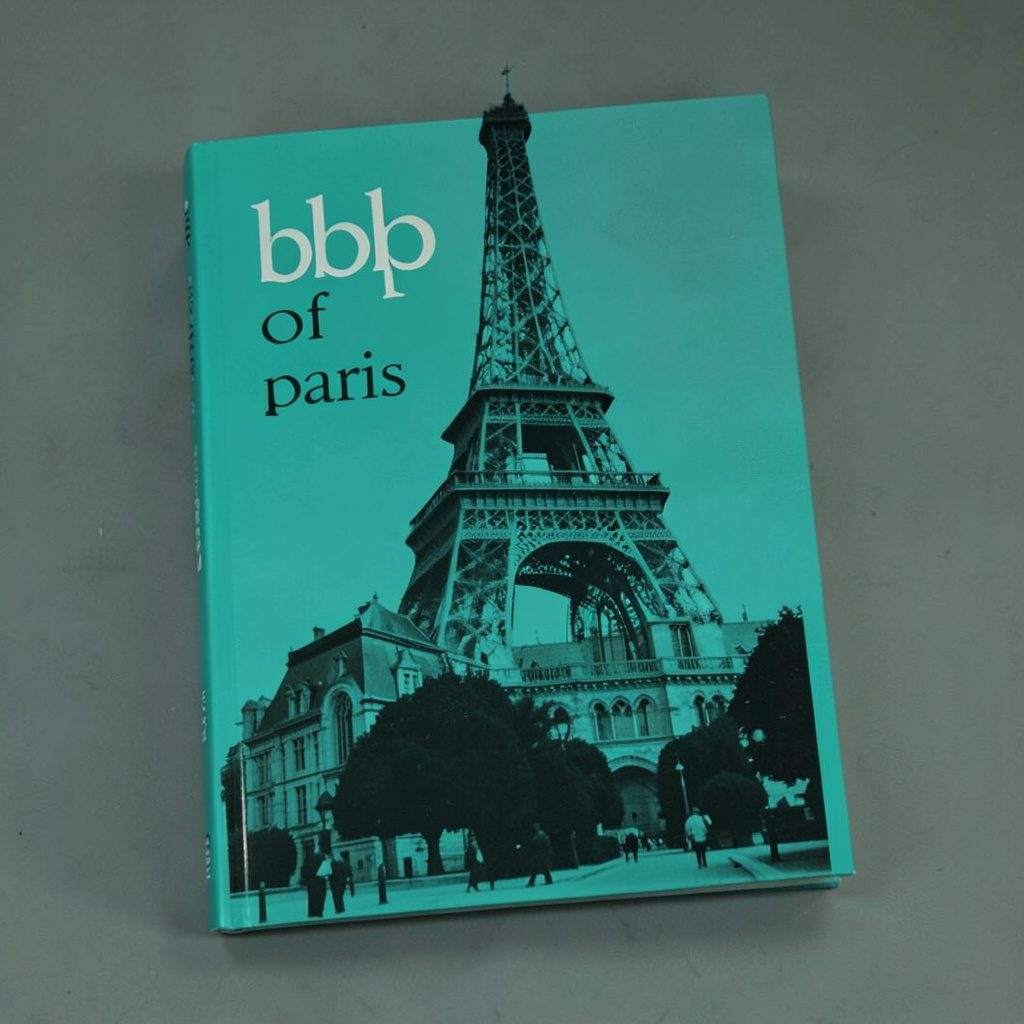
A supporting moment in Paris.
about the work
Malik Ameer Crumpler makes work across poetry, recorded music, and glitch film. The site collects that practice: Writings gathers poetic projects and publications; Albums lists the discography and collaborations; Live documents readings, improvised sets, and stage appearances; and Interviews collects conversations and public discussions.
Recent currents include the ¡DADA! 2020 Festival: Session 6 (Tuesday, September 23, 2020), a Reverse Bullets interview on HEAR and NOW with Rachel C. via Radio Free Brooklyn, and a feature on the track A.A.R. feat. Malik Ameer from Zito Mowa's album THE KOLOUR OF WATER, which reached #1 on Traxsource on 05/26/20.
Earlier entries in the archive run back through collaborations with Seven Divine, Leron Thomas, The Madmen, and Pan Amsterdam, plus poetry actions in Paris, Istanbul, and New York, and the 2018 Very Bad Words discussion on the N-Word.
fragments
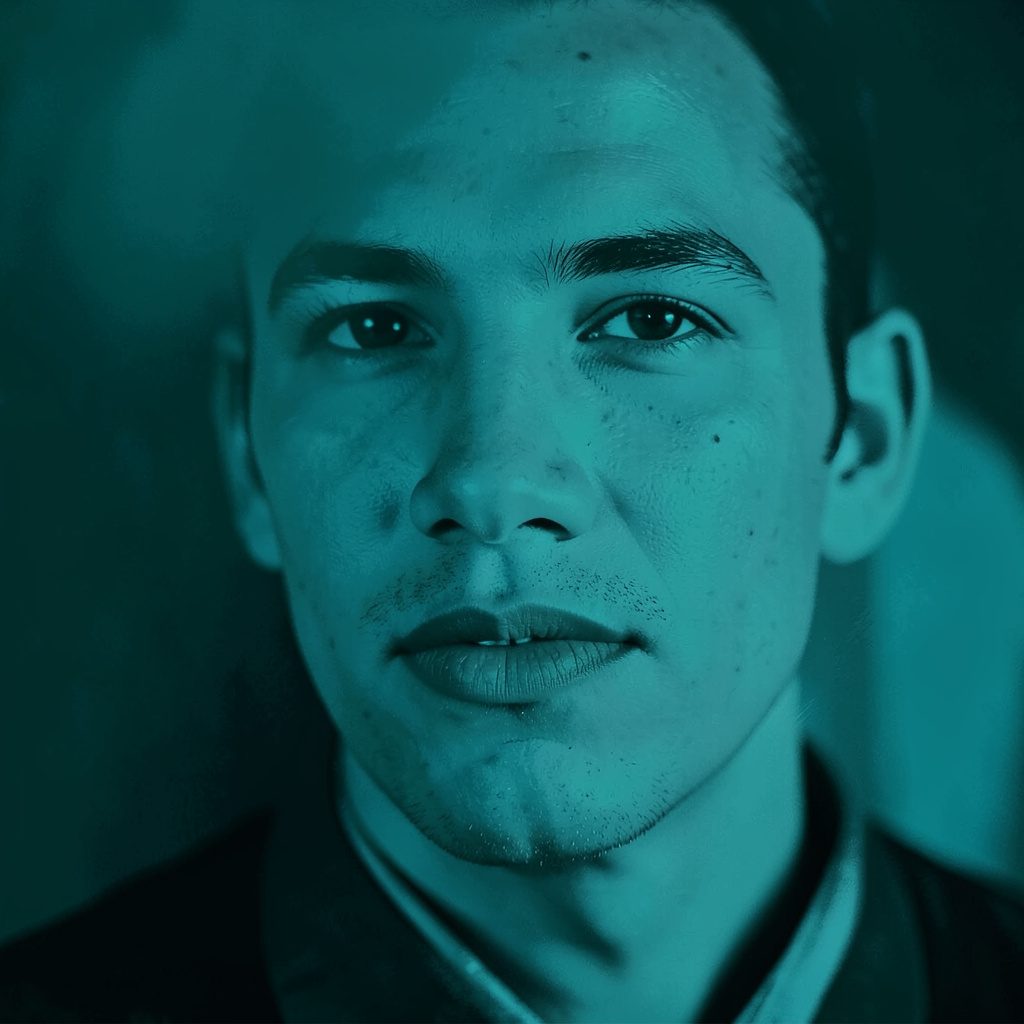
A reading, somewhere in the city.
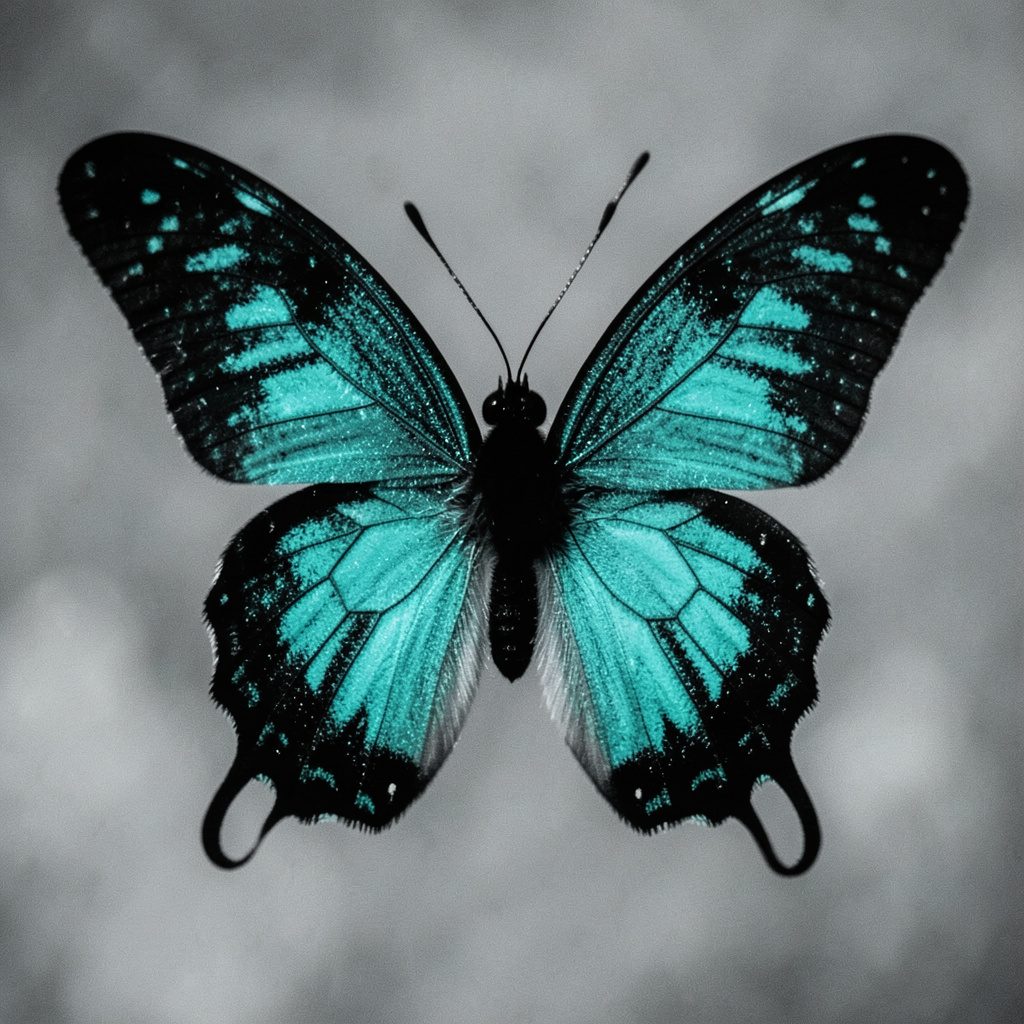
Amber Hymns — poems, raps, prayers.
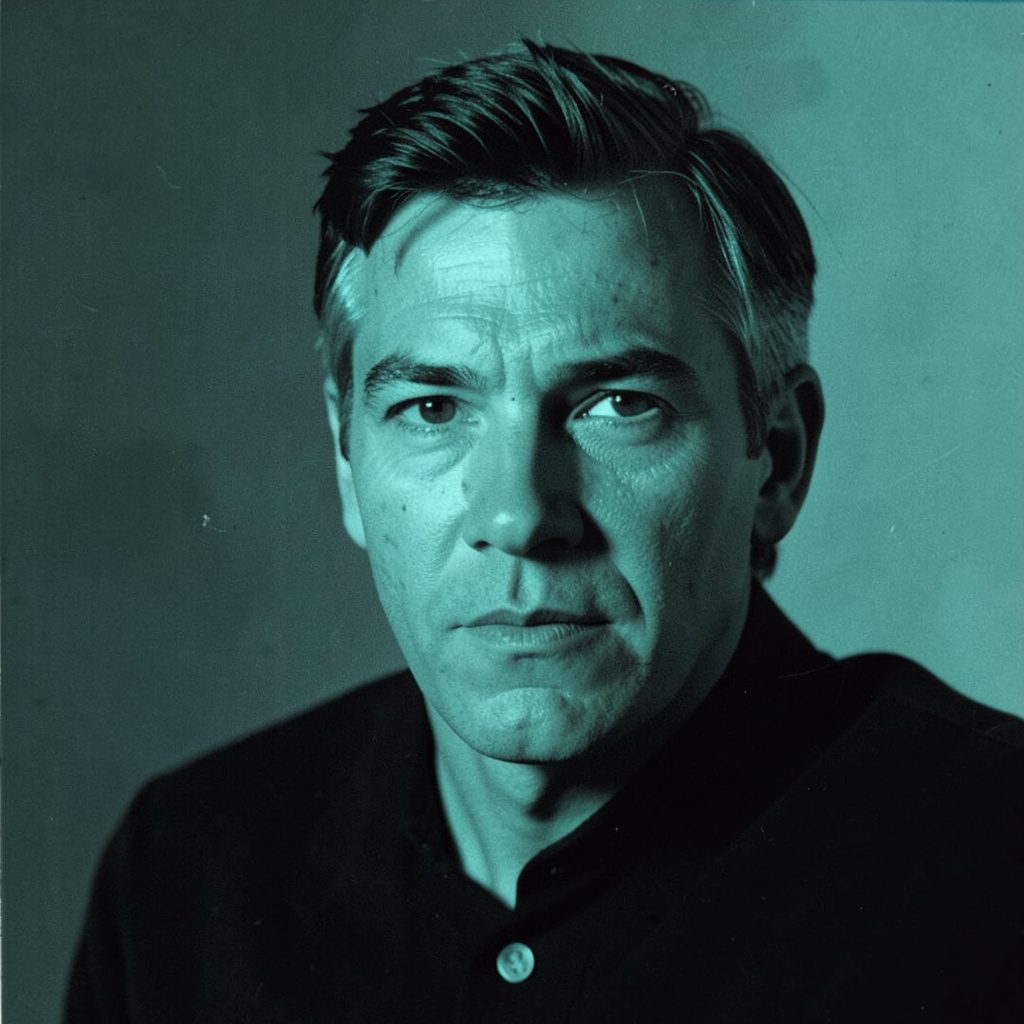
A release worth returning to.
more from the currents archive →
The practice moves across poetry, recorded music, and glitch film, gathering fragments that refuse easy categorization. Each piece operates as a kind of reverse bullet, pulling apart received forms and reassembling them under different logics. The work does not settle into one medium or mode but drifts across them, treating the border between text and sound as a productive site of friction and possibility.
Dreampop textures and dysphoric undertones thread through the recorded output, where voice and production meet in uneasy but compelling arrangements. Collaborations with other artists extend the sonic vocabulary, bringing in outside sensibilities that push each track beyond its initial shape. The albums function as collages, layering samples, spoken fragments, and melodic lines into something closer to an ongoing document than a finished statement.
The glitch art dimension introduces visual disruption as a companion to the sonic and poetic experiments. Images fracture, repeat, and recombine, echoing the logic of the cut-up and the remix. These visual pieces often accompany live performances or album releases, extending the aesthetic into a third register. The result is a body of work that insists on multiplicity, refusing to privilege one sense or surface over another.
Live appearances take the form of readings, improvised sets, and stage-based actions that blur the distinction between performance and presentation. Whether at a festival, on a radio broadcast, or in a more intimate setting, the approach remains consistent: the moment is treated as a site of real-time composition rather than simple reproduction. Each event becomes its own temporary archive, shaped by the room and the listeners present.
Writings gather poetic projects and publications that explore othering as both theme and structural principle. The texts work through dislocation, identity, and the pressure that language exerts on lived experience. Rather than offering resolution, the poems and prose pieces hold open the questions they raise, allowing ambiguity to function as a critical and creative resource rather than something to be resolved.
The site itself operates as a living archive, collecting albums, writings, interviews, and live documents under one roof. Navigation moves between these categories without enforcing a strict hierarchy, inviting visitors to follow their own paths through the material. The architecture reflects the practice it houses: non-linear, accumulative, and open to continual revision as new work enters the currents.
Interviews and public conversations capture the discursive side of the practice, where ideas get tested and refined through dialogue. These exchanges range across radio appearances, festival Q and A sessions, and print conversations, each one adding another layer to the ongoing self-documentation that runs through the entire project. The voice that emerges across these encounters is thoughtful, provisional, and alert to the politics of sound and language.
The currents archive gathers field notes, readings, and ephemeral pieces that might otherwise slip away. These shorter entries function as a running annotation on the larger works, offering context without closing down interpretation. Recent entries touch on festival sessions, collaborative broadcasts, and moments of support and solidarity across different scenes, each one a small anchor in the ongoing flow.